January 14, 2026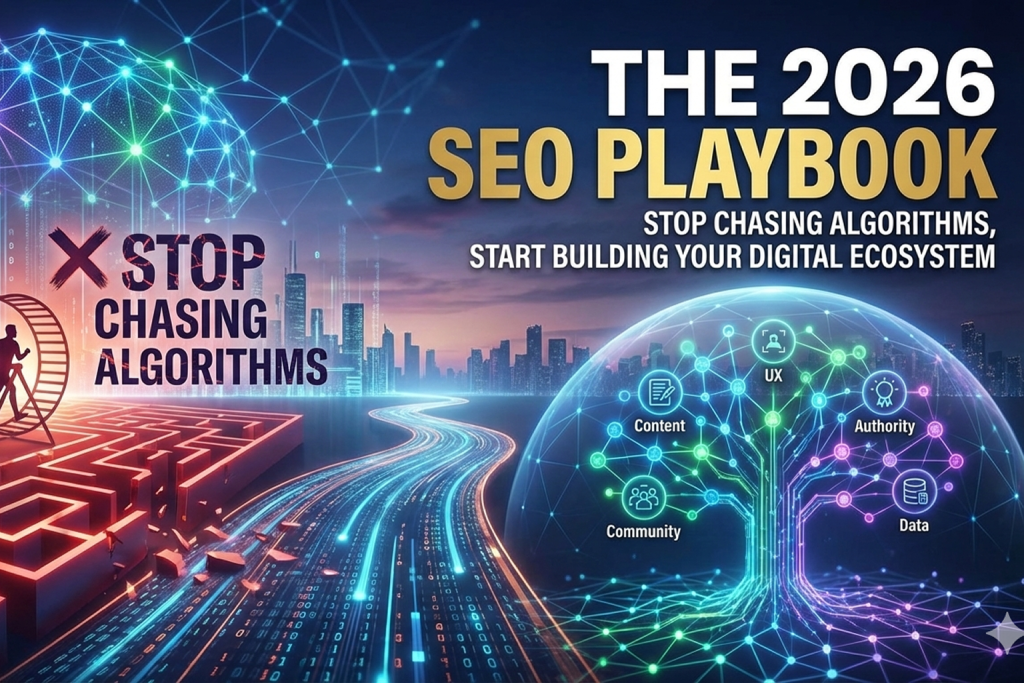
SEO in 2026 is not just about following the newest updates or using quick tricks. It is important to build a strong digital ecosystem that helps your brand stay visible and trusted on every platform. If you only focus on short-term tactics, you may miss out on lasting results. With AI, changing user habits, and new platforms, the way people find and trust your content is changing quickly.
This SEO playbook is a guide to help you succeed in today’s digital world. It explains not only what works, but also why it works. You will learn how to build a system that helps your organic reach grow over time.
Why Old SEO is Out of Trend
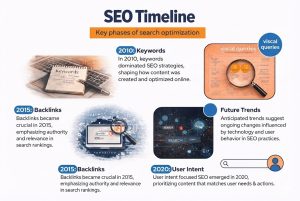
In the past, SEO meant using lots of keywords, getting as many backlinks as possible, and publishing content quickly. This approach does not work anymore. Now, search is part of a larger ecosystem where everything is connected.
• Keywords are still important, but it is more important that your content is relevant and connects well to what people are searching for.
• Backlinks are still useful, but mentions from trusted sources and citations from respected sites are even more valuable now.
• Getting traffic is important, but search engines also look at how helpful and engaging your content is when deciding its quality.
In fact, organic search continues to drive a major share of web traffic, accounting for over 53% of global website visits, compared to roughly 15.7% for paid search and 25.6% for direct traffic.
However, search engines now consider more than just where your site ranks.
The Shift Toward Ecosystem-Wide SEO Performance
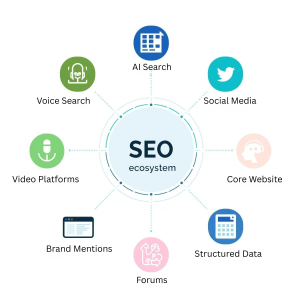
SEO in 2026 is not only about ranking high on search engines. It is important to build an ecosystem where people can find your brand through different channels, discussions, and AI-generated summaries.
In addition to traditional rankings, content must now compete within:
- AI-generated answer engines that synthesize information for users before they even click.
- Social platforms and communities that influence brand authority and discussion signals.
- Knowledge panels and brand directories that feed conversational interfaces.
- Voice search and multimodal search formats that depend on structured, concise, and intent-aligned content.
Your SEO strategy must use best practices, help your brand become more visible, and ensure your content works well on every platform.
The Core Pillars of the 2026 SEO Playbook
To excel in this new landscape, your strategy should be grounded in the following pillars:
1. Build Foundational Discipline
SEO in 2026 is not about using the newest tool. It is essential to have a clear plan and follow it consistently.
A good SEO strategy balances quick improvements, long-term projects, and regular maintenance. For example, you can update metadata or add FAQ schema for faster results.
Long-term projects can include building content hubs, making videos, and staying active on platforms such as YouTube and Reddit. Maintenance involves doing regular technical checks, improving internal links, and making sure your data is accurate. This balanced approach helps keep your digital presence strong now and in the future.
2. Prioritize Intent-Driven Content Over Keywords
Keywords are important, but it is even more important to understand what people are really searching for. Focus on their intent and provide clear answers to their questions.
AI and search engines now prefer helpful content that answers real questions. It is best to avoid thin, keyword-heavy pages and instead focus on:
- In-depth guides
- Contextual analyses
- Real examples
- Clear answers to specific queries
Content that follows these guidelines is more likely to appear in AI summaries and be shared online.
3. Embrace AI-Assisted Search Optimization
AI is changing how SEO works. AI tools can help with keyword analysis, grouping topics, improving content, and tracking performance. Here are some important numbers:
Approximately 70% of SEO experts say AI tools save time and boost automation efficiency.
AI keyword tools help businesses increase organic traffic by roughly 27%.
Around 89% of SEO professionals use AI-powered tools for keyword research.
However, AI cannot replace a good strategy. The best results come from using AI insights together with real experience and a clear plan.
4. Optimize for Visibility Across Platforms (Not Just Google)
Google still has almost 90% of the search market, but other platforms are becoming more important. AI tools and new search features are changing how people find information. User-generated content such as Reddit threads and Quora answers now appear in search results. In 2026, companies that use these different platforms well will see better results than those who only focus on traditional search.
Expanding your digital presence to social groups, review sites, and video channels helps your brand appear wherever people are searching for answers.
5. Shift Beyond Click-Through Rates
Many users now get answers directly from search results without clicking on links. This means traditional SEO measures like click-through rate are less important.
Instead, modern performance indicators include:
- AI citation count
- Share of voice within generative search results
- Sentiment and visibility scores
- Brand mention frequency
- Topical authority signals
A good SEO strategy tracks both your website traffic and your visibility on every platform.
6. Invest in Brand Authority and Trust Signals
Brand authority is not just about backlinks. It is about building real trust. Search engines now look for expertise and a strong reputation when choosing what to display.
Digital PR, thought leadership content, reputable third-party mentions, and expert bylines all contribute to trust signals that search engines and AI systems respect. Even within generative AI outputs, sources perceived as authoritative are more likely to be cited.
7. Provide Multi-Format, Engaging Content
Search engines now reward websites that use different types of media. Adding visuals, interactive features, and videos can help your site perform better and keep users interested.
People now use many ways to consume content, such as scrolling through lists, watching short videos, or using interactive charts. Using more formats helps make your digital ecosystem stronger.
Integrating Professional SEO Services Into Your Strategy

To stay ahead in 2026, it is helpful to work with professional SEO services. Experts can help you:
- Conduct comprehensive site audits
- Build optimized content clusters
- Implement advanced schema and structured data
- Map user intent to content architecture
- Track emerging trends in AI search visibility
No matter the size of your business, working with SEO professionals gives you the technical skills and strategies you need to achieve better results.
What This Means for Your Business
As of 2025, global businesses were spending an estimated $127.5 billion on SEO services, and investment in professional strategies continues to grow. Over 64% of marketing teams worldwide consider SEO their highest-ROI digital channel.
This is not surprising. A strong SEO campaign can deliver a high return on investment, and many small businesses see real improvements in organic visibility after making smart changes.
In short:
- SEO is not going away; it is changing.
- Quick results are good, but building a digital ecosystem leads to lasting success.
- Having a clear strategy and discipline is always better than relying on shortcuts.
Building Your 2026 SEO Action Plan
Here is a practical step-by-step plan you can follow:
Step 1: Audit Legacy SEO Practices
Identify any outdated parts of your SEO that do not match intent-based search or ecosystem visibility.
Step 2: Create a Strategic Content Hub
Create topic clusters that answer user questions from different perspectives, using keyword research and understanding user intent.
Step 3: Optimize Structured Data & Schema
Add detailed markup to help both AI and traditional search engines understand your content more clearly.
Step 4: Expand to Multi-Platform Channels
Develop different types of content, such as videos, forums, and discussions, to reach people outside of search engine results pages.
Step 5: Integrate Brand Authority Signals
Work with digital PR, industry partners, and experts to build trust and increase citations for your brand.
Step 6: Implement Performance Tracking
Go beyond tracking click-through rates and keyword rankings. Also track AI citations, share of voice, brand mentions, and sentiment.
Conclusion
SEO in 2026 is not a race to keep up with algorithms. It is a long-term process built on strategy, structure, and good systems. When you see SEO as part of a bigger digital ecosystem that includes content, context, user behavior, and platform signals, you can achieve growth that lasts beyond short-term changes.
Do not chase after algorithms. Focus on building your digital ecosystem so your search presence can grow with purpose and lasting value.
Frequently Asked Questions (FAQs)
1. What makes SEO in 2026 different from previous years?
SEO in 2026 is about more than just keywords and backlinks. Today, a strong SEO strategy builds a complete online presence with content that matches user intent, better visibility in AI-driven searches, and a focus on brand trust and user experience. Rather than chasing every algorithm change, the goal is to create lasting results and keep your business relevant.
2. Is traditional SEO still relevant in 2026?
Yes, the basics like technical SEO, on-page optimization, and structured data are still important. But now, these work together with AI tools, deeper content, and a wider online presence. Traditional tactics are most effective when they support a bigger, more connected SEO strategy.
3. How do professional SEO services help businesses stay competitive?
Professional SEO services help your business stay ahead by planning the right strategy, checking your website’s health, improving your content, and tracking results. With expert support, you can keep up with changing search trends and grow your online presence, even as competition increases.
4. What role does AI play in modern SEO strategy?
AI helps you understand what your customers are searching for, improve your website’s content, and spot new opportunities. When used alongside expert guidance, AI makes your SEO strategy smarter and more effective, so you get better results without losing quality.
5. How long does it take to see results from a 2026-focused SEO strategy?
You might notice some early improvements in a few weeks, but real, lasting SEO results usually take 3 to 6 months. The best outcomes come from steady work on your website, building trust with quality content, and strengthening your brand online—not from quick fixes.